May 20, 2026
When a major pipe failure occurs, the clock starts ticking against property damage and rising utility costs. A professional plumbing business must act with precision and speed to mitigate the risks associated with high-pressure leaks and structural flooding. This guide explores the comprehensive strategies used by industry experts to manage these critical infrastructure breakdowns.
Assessing the Scope of the Failure
The first step any reputable plumbing company takes is a comprehensive diagnostic assessment to determine the origin and severity of the break. Unlike minor drips, major failures often involve main service lines or high-pressure risers that can discharge hundreds of gallons in minutes.
Technicians utilize acoustic leak detection and thermal imaging to see through walls and slabs, ensuring they don't waste time digging in the wrong location. This phase is critical because it dictates whether the repair will be a localized patch or a full-scale repiping project.
Understanding the hydraulics of the building is paramount during this stage. A plumbing business will map out the affected zones to ensure that while the failure is isolated, the rest of the property maintains as much functionality as possible. This assessment also includes evaluating the age and material of the pipes, such as galvanized steel, copper, or PEX, as these factors significantly influence the failure mode and the required tools for the job.
Implementing Immediate Mitigation Protocols
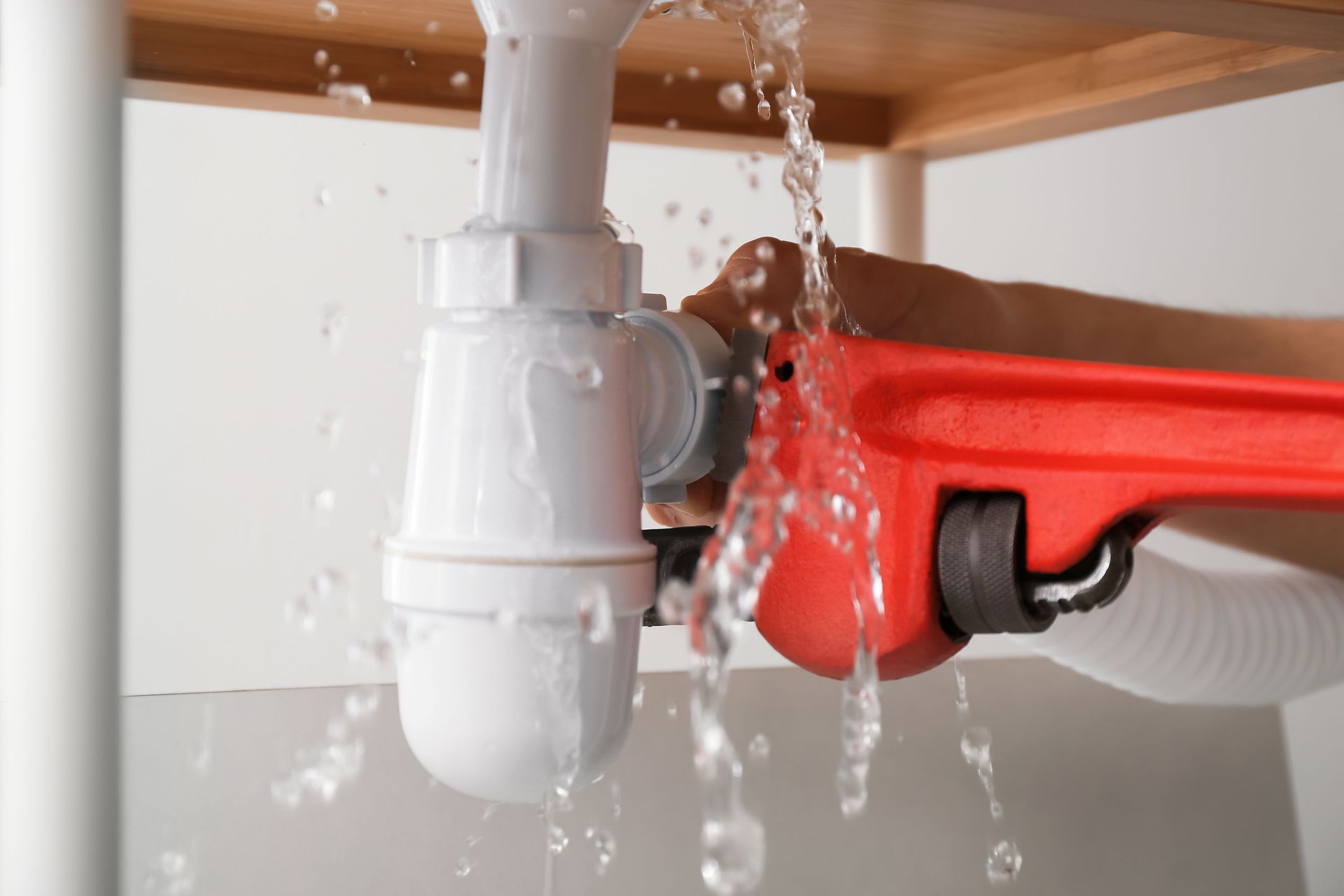
Once the failure is located, the immediate priority shifts to damage control and water conservation. According to RubyHome, the average plumbing leak can result in up to 10,000 wasted gallons of water in just one year. In the event of a major failure, that volume of water can be reached in a matter of hours or days, making rapid shut-off procedures essential. Professionals immediately locate and secure the primary or secondary isolation valves to stop the flow of water while maintaining safety standards for electrical systems in the vicinity.
Beyond turning off the water, mitigation involves clearing the area of debris and standing water to prevent mold growth and structural rot. A plumbing business often works in tandem with restoration experts to ensure that the humidity levels are managed immediately. By deploying high-capacity pumps and industrial dehumidifiers, they stabilize the environment, allowing the technical repair team to work in a safe, dry space where they can apply permanent solutions without interference from residual moisture.
Executing Advanced Repair Techniques
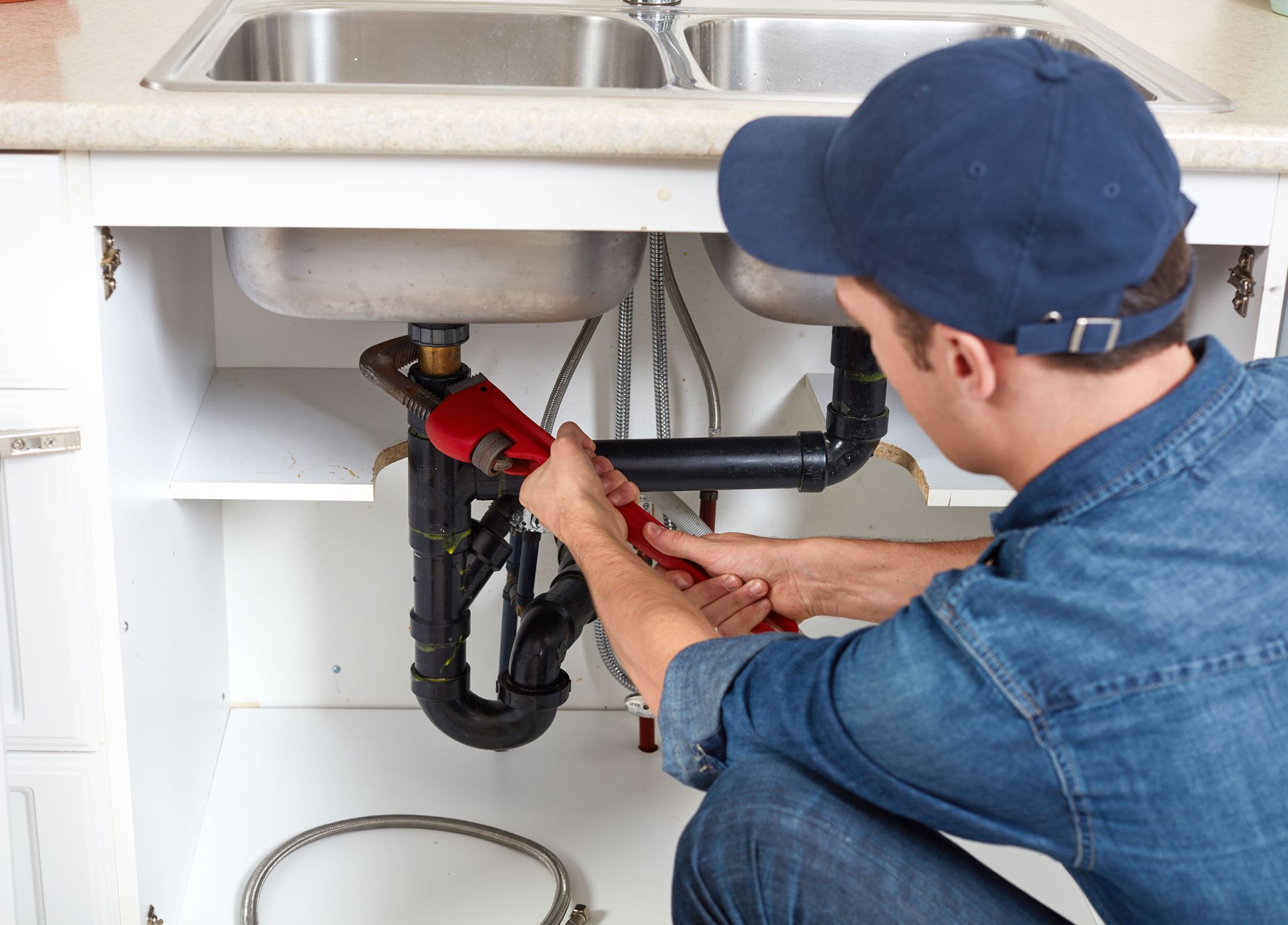
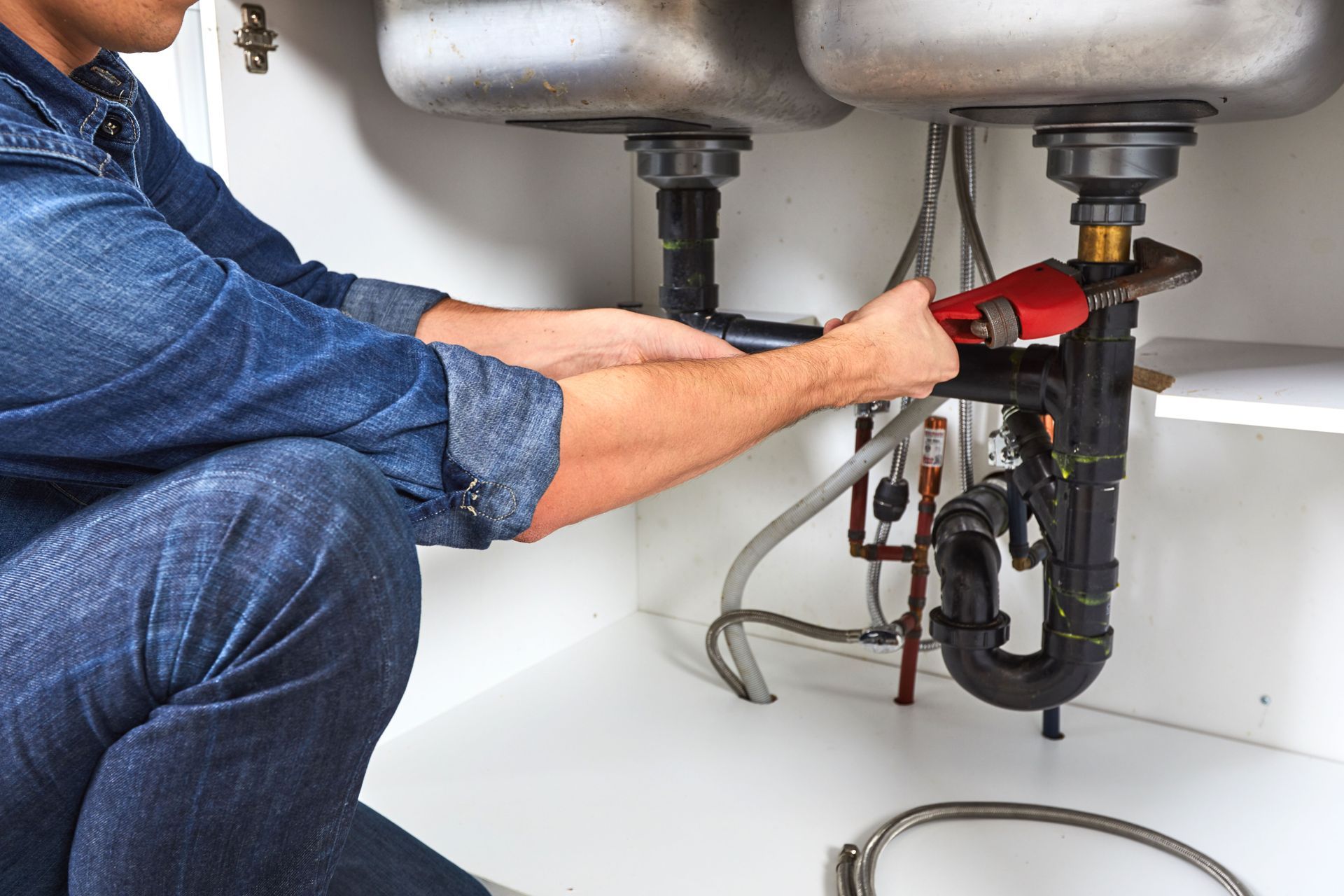
The actual repair of a major pipe failure requires a blend of traditional craftsmanship and modern technology. Depending on the accessibility of the pipe, a plumbing company might employ trenchless technologies like Cured-in-Place Pipe (CIPP) lining or pipe bursting to replace underground mains without destroying landscaping or driveways. For internal failures, "spot repair" clamps may be used as a temporary measure, but a full replacement of the compromised section is usually necessary to ensure the integrity of the system.
Welding, soldering, and mechanical coupling are executed with rigorous adherence to local building codes. In commercial settings, where high-pressure steam or large-volume water transport is common, the technical requirements for these repairs are even more stringent. Every joint and seal must be tested under pressure before the system is fully recommissioned. A professional plumbing company understands that a repair is only as good as its weakest point, and therefore uses premium materials that exceed the original specifications of the failed system.
Communicating with Affected Stakeholders
Major pipe failures are often traumatic for property owners, involving significant financial and emotional stress. A high-quality plumbing company prioritizes transparent communication throughout the entire process, providing detailed estimates and timelines. They explain the "why" behind the failure—whether it was due to pH imbalances in the water, soil movement, or simple material fatigue—helping the owner understand how to prevent future occurrences.
This communication extends to documentation for insurance purposes. Detailed reports, including "before and after" photos, pressure test results, and material invoices, are essential for successful claims. By acting as a technical liaison between the property owner and the insurance adjuster, the plumbing company adds value beyond just mechanical labor. They ensure that all parties are informed about the safety of the water supply and any necessary boil-water advisories that may result from a loss of pressure in the main lines.
Ensuring Long-Term System Integrity
After the immediate crisis is resolved, the focus shifts to post-repair monitoring and preventative maintenance. A plumbing business will often perform a "whole-house" or "whole-building" audit to see if the failure was an isolated incident or a symptom of a larger, systemic issue. If one section of copper piping has failed due to pitting corrosion, it is highly likely that other sections of the same age and material are also reaching the end of their service life. These audits typically involve checking for silent leaks, measuring the thickness of older pipes with ultrasonic gauges, and evaluating the condition of all visible joints and fittings to identify hidden points of vulnerability.
Preventative measures might include the installation of smart water shut-off valves that detect abnormal flow patterns and automatically kill the water supply before a failure becomes catastrophic. These advanced IoT devices can send real-time alerts to a homeowner’s smartphone, allowing for immediate action even when the property is vacant. Additionally, adjusting water pressure regulators to keep the system within the 40-60 PSI range can significantly extend the life of the infrastructure by reducing the mechanical stress placed on seals and appliances. By providing these long-term solutions, a plumbing company transitions from being a reactive emergency service to a proactive partner in property management and resource conservation, ensuring that the peace of mind restored after a repair remains permanent for the client.
Navigating Regulatory and Environmental Standards
Handling major failures also involves navigating a complex web of environmental regulations and municipal codes. A plumbing business must ensure that all disposal of old materials—especially lead or asbestos-wrapped pipes—is done in accordance with environmental laws. They must also pull the necessary permits to ensure that the work is inspected by city officials, which protects the property's resale value and ensures the safety of the occupants. Failure to adhere to these strict legal frameworks can result in heavy fines for the proprietor and potential health liabilities for the residents, making compliance a top priority during the restoration phase.
Water quality post-repair is another critical regulatory concern. After a major break, sediment and bacteria can enter the system through the breach or during the invasive repair process. The plumbing company performs thorough flushing and, in some cases, chlorination of the lines to ensure the water is potable. Technicians may also conduct pH and turbidity tests to confirm that the internal chemistry of the water has stabilized after the introduction of new pipe segments. This commitment to health and safety is what distinguishes a professional operation from an unreliable contractor, ensuring that the water flowing through the new pipes is as clean as the engineering is sound.
Successfully managing a major pipe failure requires a strategic combination of rapid response, technical expertise, and clear communication. By prioritizing both immediate mitigation and long-term prevention, a professional plumbing business protects the structural and financial health of the properties they serve. Through disciplined assessment and modern repair techniques, these experts ensure that even the most catastrophic failures are resolved with minimal lasting impact. If you are looking for reliable plumbers, contact Roto-Rooter Of Missoula today to learn more and get started!